Choosing a Gold Dealer
VAT on Silver in the UK
Understand the UK VAT position for physical silver, the difference from investment gold, and why Bullion House does not claim to offer VAT-free silver.
At a glance
Is silver bullion subject to VAT in the UK?
UK retailers charge standard-rate VAT on physical silver bought for delivery unless a specific rule applies. Investment gold has a separate exemption. Bullion House does not currently offer VAT-free silver.
- The standard UK VAT rate is 20% for most goods and services.
- Investment gold has a specific exemption that does not cover silver as a class.
- Bullion House does not currently offer VAT-free silver.

Written by
Richard Lyttle leads Bullion House across product standards, customer experience, and educational review. He reviews high-trust buying guidance so customers can understand physical gold, tax-sensitive product features, and resale considerations before they buy.
Reviewed by Liam Yarwood on 22 Jul 2026

On this page
VAT on silver in the UK is an important consideration for anyone buying the physical metal because, unlike qualifying investment gold, silver bullion typically attracts the standard VAT rate when purchased for delivery to a UK customer. Understanding how VAT affects the purchase price can make it easier to compare silver products and calculate the cost of building a physical silver holding.
The standard UK VAT rate is currently 20%. This means that VAT can add a significant amount to the cost of silver coins and bars, particularly when combined with the dealer premium over the underlying silver price. However, certain storage and warehousing arrangements can change when VAT becomes payable, so a product advertised as “VAT-free silver” needs to be examined carefully.
For anyone buying physical silver, the amount paid at the checkout is only part of the picture. The VAT treatment can vary depending on how the silver is purchased and held, particularly where specialist storage or warehousing arrangements are involved. Understanding these rules before buying can help you compare the true cost of different options and avoid unexpected tax charges later.
Is silver subject to VAT in the UK?
For most physical silver bought from a local dealer, VAT on silver in the UK is charged at the standard rate of 20%. HMRC confirms that the standard rate applies to most goods and services. There is no general UK VAT exemption for silver bullion comparable with the exemption for qualifying investment gold. HMRC’s investment-gold rules apply specifically to qualifying gold bars, wafers and certain gold coins.
This means that when you buy a new silver bar or bullion coin for delivery, VAT will generally form part of the price you pay. For example, if a silver product has a pre-VAT price of £100, 20% VAT adds £20, for a total of £120 before delivery or other charges.
VAT isn’t calculated from the amount of pure silver alone. It applies to the taxable supply, meaning the price charged for the product under the relevant VAT rules.
For a private investor, it’s worth paying attention to the VAT-inclusive purchase price to avoid any unpleasant surprises at check-out. A product may appear inexpensive when compared to the spot price of silver, but VAT and the dealer’s premium can significantly increase the amount you actually pay.
How does VAT apply to silver coins and bars?
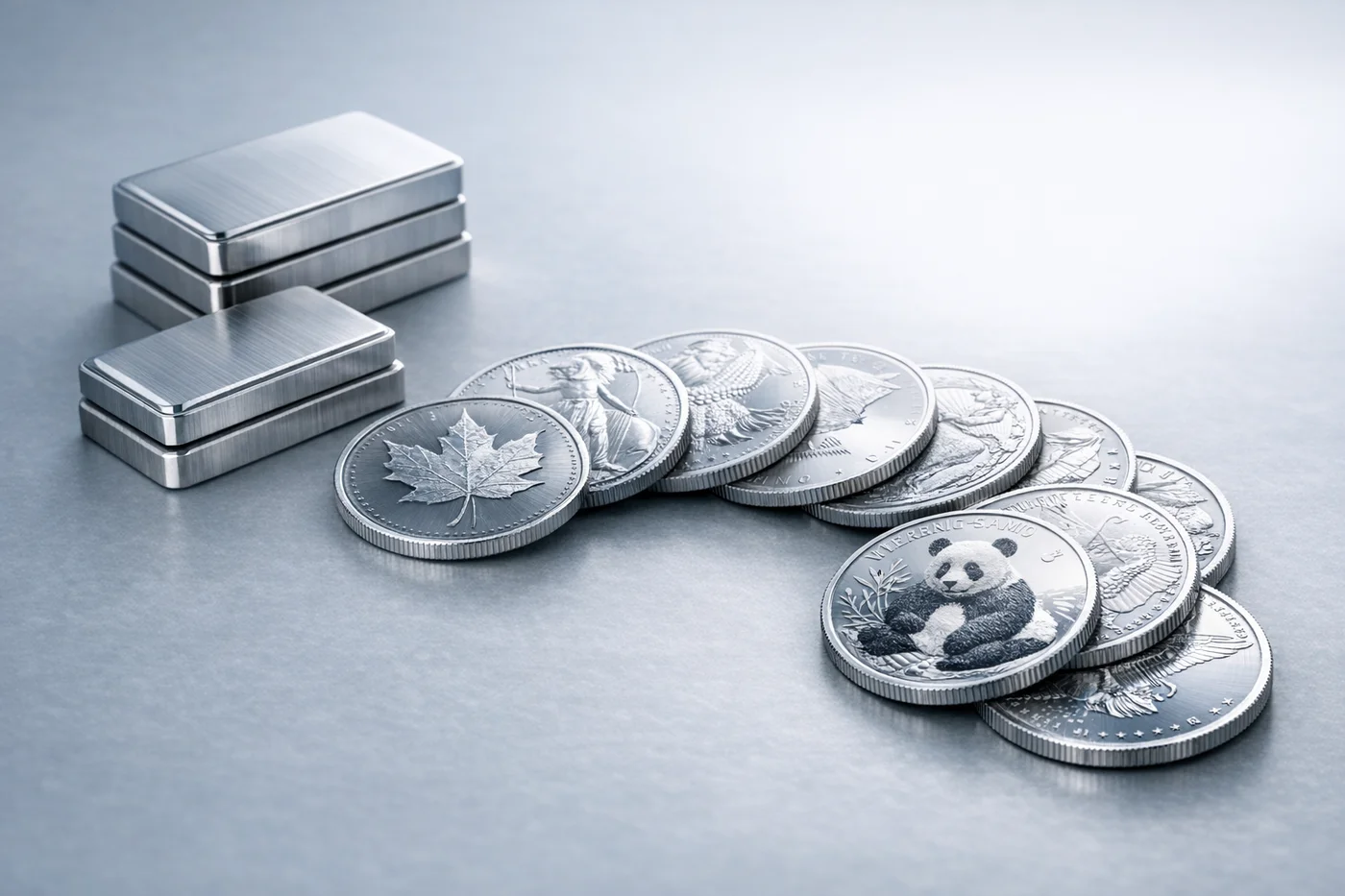
Silver bullion coins and bars are both generally subject to standard-rate VAT when supplied to UK customers. The fact that a coin is produced by a government mint or has a face value doesn’t automatically make it VAT-free. Silver Britannias, for example, can be subject to VAT when purchased physically in the UK.
The same applies to silver bars. Their size, refiner, and weight can affect the dealer premium, but these factors don’t create a general VAT exemption.
When comparing products, therefore, it’s useful to look at the complete purchase price rather than the silver price alone.
- Cost
- Silver value
- What to consider
- The underlying value of the metal
- Cost
- Dealer premium
- What to consider
- The amount added above the metal value
- Cost
- VAT
- What to consider
- Generally 20% on taxable retail supplies
- Cost
- Delivery
- What to consider
- Any applicable delivery and insurance costs
- Cost
- Storage
- What to consider
- The cost of keeping silver securely
- Cost
- Resale price
- What to consider
- What a dealer may offer when you sell
| Cost | What to consider |
|---|---|
| Silver value | The underlying value of the metal |
| Dealer premium | The amount added above the metal value |
| VAT | Generally 20% on taxable retail supplies |
| Delivery | Any applicable delivery and insurance costs |
| Storage | The cost of keeping silver securely |
| Resale price | What a dealer may offer when you sell |
Buy silver from Bullion House
Compare current silver products and prices, with the applicable VAT shown in your checkout total.
Silver bullion coins
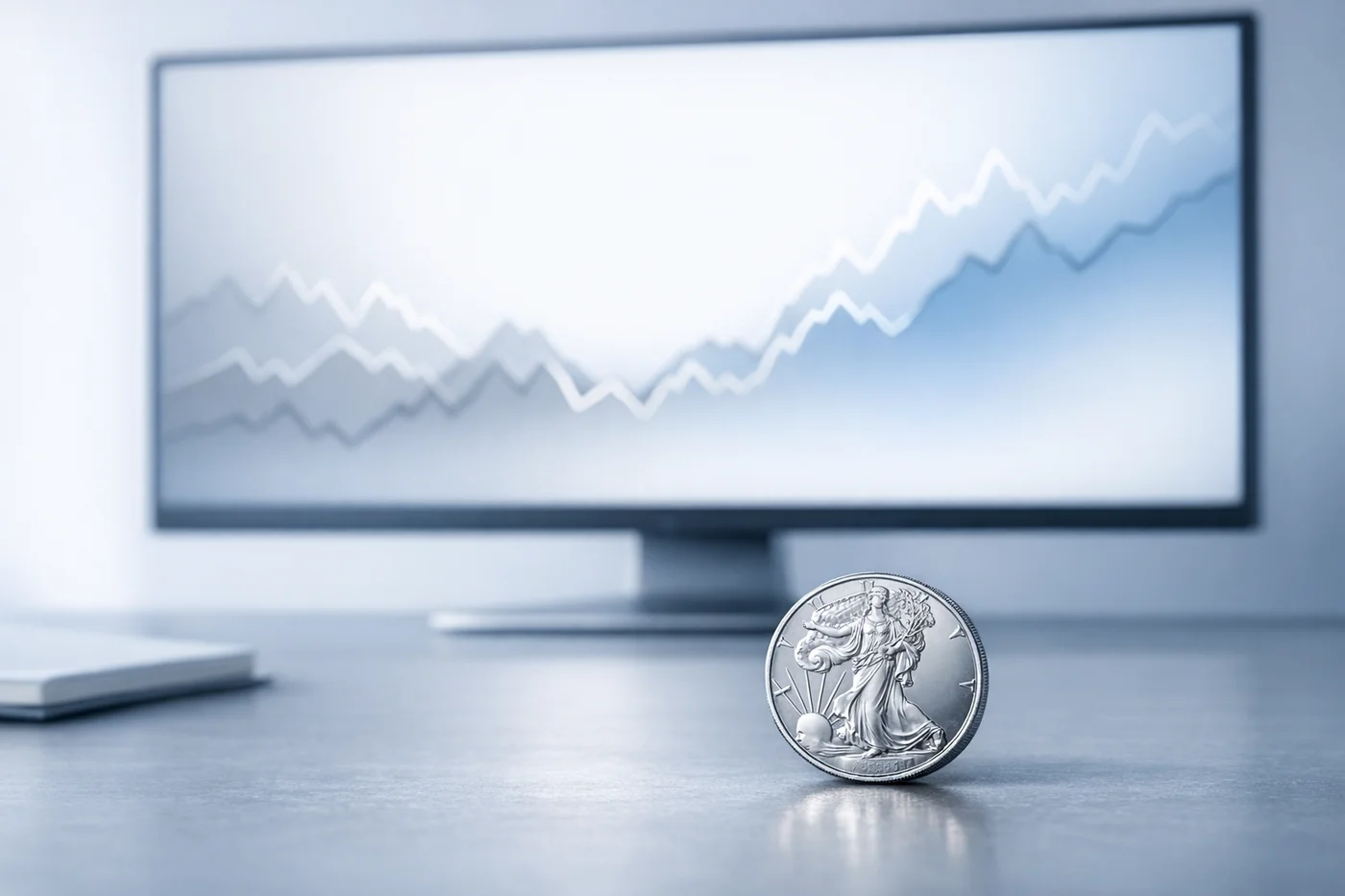
Investors commonly purchase bullion coins because they’re recognisable, divisible and relatively easy to resell. Popular examples include Silver Britannias, Maple Leafs and other internationally recognised bullion coins.
Their status as bullion coins doesn’t give them the investment-gold VAT exemption. HMRC specifically provides a VAT exemption for qualifying investment gold, while its guidance on VAT rates identifies investment gold as exempt.
A UK legal-tender silver coin can have a separate tax advantage when you eventually sell it because Capital Gains Tax treatment is different from VAT treatment. However, being exempt from CGT doesn’t mean the original purchase is exempt from VAT.
This is an important point for anyone comparing silver and gold. The tax treatment at purchase and the tax treatment when you sell are separate questions.
Silver bars
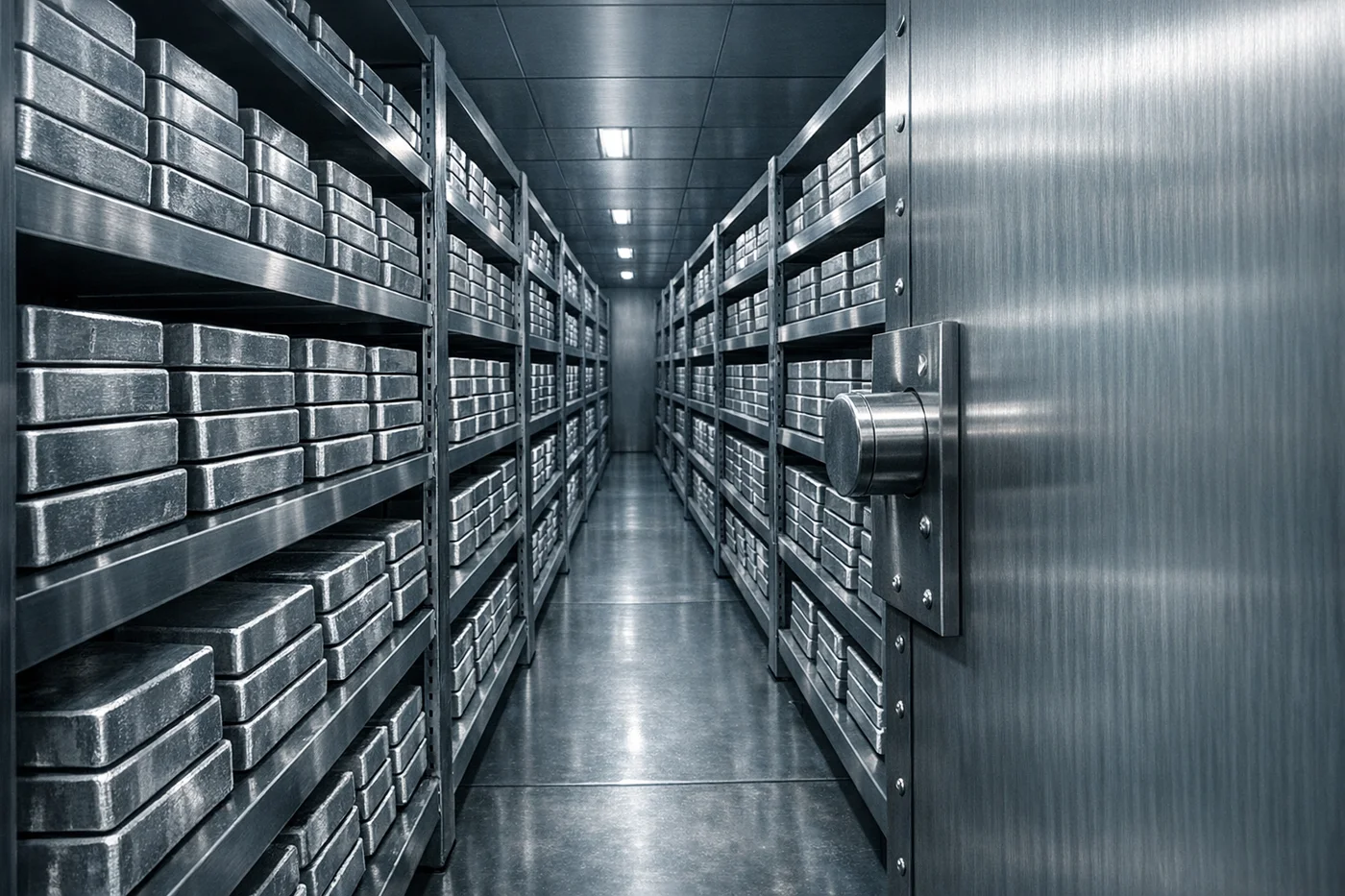
Silver bars are available in a wide range of weights, from small bars to larger investment bars. Larger bars can sometimes have lower premiums per ounce, although the overall cost still needs to account for VAT. A larger bar can also be less convenient if you later want to sell only part of your silver holding. When comparing bars, check the weight, fineness, manufacturer, premium and total VAT-inclusive price.
Why does silver have VAT but investment gold doesn’t?
The UK has a specific VAT exemption for qualifying investment gold. HMRC’s VAT Notice 701/21 sets out the conditions that gold bars, wafers and qualifying coins must meet to fall within the exemption.
There isn’t an equivalent general exemption for investment silver. This means that the fact that silver is bought and held as an investment doesn’t, by itself, change its VAT treatment.
The distinction can have a noticeable effect on the initial cost of investing in physical silver. If two metals have the same underlying value, the silver purchase may still cost more once VAT and the dealer premium have been added.
For this reason, investors should compare the VAT-inclusive purchase price rather than comparing silver and gold using their spot prices alone.
Can you buy silver without paying VAT?
Understanding VAT on silver in the UK is particularly important when considering storage arrangements, as VAT can sometimes be suspended or deferred while eligible silver is held under a specific warehousing arrangement.
There are circumstances in which VAT can be suspended or deferred while eligible silver is held under a specific warehousing arrangement. This doesn’t necessarily mean that VAT has been permanently removed.
One example is fiscal warehousing. HMRC’s VAT Notice 702/8 confirms that silver is among the commodities that can be eligible for fiscal warehousing.
Under this arrangement, VAT isn’t charged in the usual way while eligible goods remain within the fiscal warehouse. VAT can become due when the goods leave the regime.
This is why the phrase “VAT-free silver” needs some qualification. The investor should understand whether VAT has genuinely been removed or whether payment has simply been postponed until the silver is withdrawn.
How fiscal warehousing can defer VAT
Fiscal warehousing is a specific VAT regime for eligible commodities. Some specialist bullion arrangements allow eligible silver to be held in an approved fiscal warehouse with VAT suspended while it remains within the regime. Silver is specifically listed by HMRC as an eligible commodity for fiscal warehousing.
The silver can remain securely stored while VAT is deferred. If the silver is removed from the fiscal warehousing regime for use in the UK, VAT generally becomes due at that point. The exact treatment depends on how the transaction and removal are structured.
This can reduce the upfront VAT cost for someone who wants to hold silver within an appropriate storage arrangement, although storage and other custody costs still need to be considered. It shouldn’t, however, be described simply as “VAT-free silver” because the VAT may be suspended rather than permanently eliminated.
What to establish about a silver storage arrangement
For an investor considering a storage arrangement, it is important to establish:
- Who legally owns the silver
- Where the silver is held
- Whether the facility is authorised for the relevant regime
- Whether the silver is allocated to the investor
- When VAT becomes payable
- What happens if physical delivery is requested
- What storage and insurance charges apply
What does “VAT-free silver” mean?
“VAT-free silver” can refer to different arrangements, so the description shouldn’t be taken at face value. In some cases, silver is held within a recognised storage or warehousing arrangement where VAT is suspended. In other circumstances, silver may be stored outside the UK or supplied under a particular tax treatment.
Before buying, establish whether the quoted price is:
- VAT-inclusive
- VAT-exclusive
- Subject to VAT when the metal is withdrawn
- Available only while the silver remains in storage
- Dependent on the customer not taking physical delivery
It’s also worth checking whether you own specific allocated bars or coins or simply have a contractual claim against the provider. For substantial purchases, independent tax advice may be appropriate before relying on a particular storage structure.
Can the VAT margin scheme apply to silver?
VAT margin schemes have specific rules and don’t automatically apply to second-hand silver.
HMRC explains that margin schemes can apply to certain second-hand goods, works of art, antiques and collectors’ items. However, its guidance on margin schemes identifies precious metals among goods excluded from the general margin schemes in relevant circumstances.
This means you shouldn’t assume that a second-hand silver bar can be sold under a margin scheme simply because it’s pre-owned. Collectable or numismatic coins can have different considerations depending on their characteristics and the circumstances of the transaction.
If a dealer says a silver item is being sold under a VAT margin scheme, check the terms and invoice and ask which specific rules apply.
How much does VAT add to a silver purchase?
At the standard 20% rate, VAT adds £20 to every £100 of taxable pre-VAT value.
- Pre-VAT price
- £100
- VAT at 20%
- £20
- Total
- £120
- Pre-VAT price
- £250
- VAT at 20%
- £50
- Total
- £300
- Pre-VAT price
- £500
- VAT at 20%
- £100
- Total
- £600
- Pre-VAT price
- £1,000
- VAT at 20%
- £200
- Total
- £1,200
- Pre-VAT price
- £2,500
- VAT at 20%
- £500
- Total
- £3,000
| Pre-VAT price | VAT at 20% | Total |
|---|---|---|
| £100 | £20 | £120 |
| £250 | £50 | £300 |
| £500 | £100 | £600 |
| £1,000 | £200 | £1,200 |
| £2,500 | £500 | £3,000 |
These figures don’t include any delivery or additional charges.
This calculation shows why comparing the retail price with the spot price alone can give an incomplete picture. A silver product may already include a dealer premium, and VAT is then added to the taxable price.
If silver subsequently rises in value, its price must increase sufficiently to cover the initial premium and VAT before the investor recovers the original purchase cost.
How does VAT affect the cost of investing in silver?
VAT on silver in the UK is one of several costs associated with buying and holding physical silver. The total purchase price can include:
- The underlying value of the silver
- The dealer’s premium
- VAT
- Delivery and insurance
- Storage, if applicable
Storage can be particularly relevant for silver because its relatively low value per ounce means that larger holdings require more physical space than an equivalent-value holding of gold.
Investors should therefore consider the complete cost of ownership rather than focusing solely on the price of silver.
The potential resale price is also important. A widely recognised bullion coin may have a different resale market from a large silver bar or a specialist collectable.
Does VAT apply when you sell silver?
VAT and Capital Gains Tax are separate taxes.
VAT concerns taxable supplies made in the course of business. A private individual selling personal silver doesn’t simply add 20% VAT to the sale because VAT was paid when the silver was originally purchased. Businesses making taxable supplies can have VAT obligations when selling goods as part of their business.
Capital Gains Tax is a separate consideration. It concerns gains made when certain assets are disposed of, subject to the applicable rules and exemptions.
This is particularly relevant to UK legal-tender coins. Certain UK coins can have specific CGT treatment, but that doesn’t mean they were exempt from VAT when purchased.
Does VAT apply to Silver Britannias?
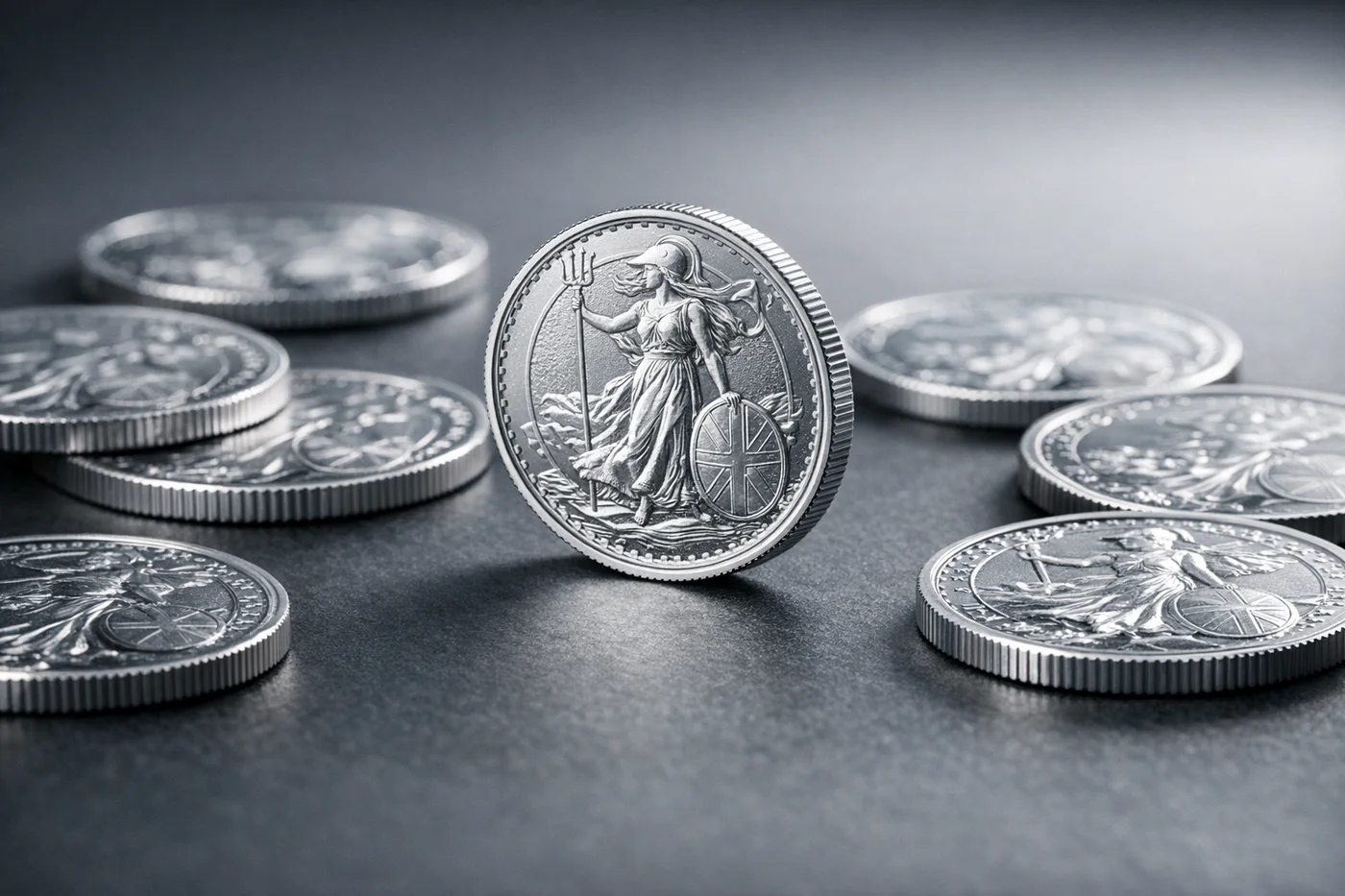
Silver Britannias are UK legal-tender bullion coins, but their legal-tender status doesn’t give them a general VAT exemption. VAT can therefore apply when Silver Britannias are purchased physically in the UK.
Their status can still be relevant to their tax treatment when sold, because VAT and Capital Gains Tax operate under different rules. When comparing Britannias with other silver bullion coins, consider the total VAT-inclusive price, premium, silver content and potential resale market.
What should you check before buying silver?
Before buying physical silver, consider the following:
- The final price: Confirm whether the displayed price includes VAT or whether VAT will be added at checkout.
- The product: Look at the weight, fineness, manufacturer or mint, and type of silver product.
- The storage terms: If the silver isn’t being delivered, find out where it’s held, who owns it, and whether the metal is allocated.
- Specific VAT treatment: If a product is advertised as VAT-free, ask why VAT isn’t being charged and when it may become payable.
- Delivery: Find out what happens if you later request physical delivery and whether additional VAT or other charges apply.
- Check resale: Understand how you can sell the silver and whether the provider offers a buy-back service.
- Retain all records: Keep invoices, payment records and storage documentation. These records can help establish what you bought and how much you paid.
Is VAT-free silver right for every investor?
There isn’t a one-size-fits-all answer to whether investing in silver will suit you because the appropriate structure depends on what you’re trying to achieve.
Someone who wants physical silver delivered to their home has different requirements from someone who wants exposure to silver while leaving the metal in professional custody.
A storage arrangement that suspends VAT can also introduce conditions around withdrawal, ownership, insurance and access.
If physical possession is important to you, check whether the advertised VAT treatment changes when you request delivery.
If immediate access to the metal isn’t important, a professionally managed storage arrangement may offer a different cost structure. But you should understand the legal ownership of the silver and the terms governing withdrawal.
The most important point is to look beyond the words “VAT-free”. Ask what happens to the VAT when the silver leaves the arrangement.
Key points: VAT on silver in the UK
For anyone researching VAT on silver in the UK, the primary rule is to establish the VAT treatment of the actual product and transaction. For most new investors, the main rules can be summarised fairly simply.
- The standard UK VAT rate is currently 20%.
- Physical silver bullion sold for delivery to UK customers will generally attract standard-rate VAT unless a specific rule or arrangement changes the treatment.
- Silver is eligible for the UK’s fiscal warehousing regime, but this is a specialised VAT arrangement rather than a general consumer exemption.
- Check the amount of fine silver in the product. A 1-oz coin contains approximately 31.1035 grams of silver, although the exact fineness determines the amount of pure silver.
- Consider the premium above the underlying silver value.
- Establish the item’s VAT treatment. Is the displayed price VAT-inclusive?
Frequently asked questions
Is all silver subject to 20% VAT in the UK?
Most physical silver sold by a UK retailer for delivery to a UK customer is subject to the standard 20% VAT rate. The precise treatment can depend on the product and transaction structure.
Are Silver Britannias VAT-free?
No. Silver Britannias don’t receive the investment-gold VAT exemption simply because they’re UK legal tender. VAT can apply when they’re purchased physically in the UK.
Can silver be stored without VAT?
Certain specialised warehousing arrangements can suspend VAT while eligible silver remains within the relevant regime. Fiscal warehousing includes silver, but VAT can become due when the metal is removed.
Does VAT apply to silver bars?
Generally, yes. Physical silver bars sold to UK customers are normally subject to the standard VAT rate unless a specific rule applies.
Can silver be sold under a VAT margin scheme?
Some goods qualify for VAT margin schemes, but the rules are specific. HMRC excludes precious metals from the general margin schemes in relevant circumstances, so second-hand silver bullion doesn’t automatically qualify.
Why is investment gold VAT-free but silver isn’t?
UK VAT legislation provides a specific exemption for qualifying investment gold. There isn’t an equivalent general exemption for silver.
Does VAT apply when I sell my silver?
VAT obligations depend on whether the sale is a taxable business supply and the circumstances of the transaction. A private individual selling personal possessions doesn’t simply add VAT because VAT was paid when the silver was purchased.
Does VAT make silver more expensive to invest in?
It can increase the initial purchase cost. Because VAT is added to most physical silver purchases, the silver price may need to rise before an investor recovers the original purchase price, premium, and other costs.
Next practical step
Sources and further reading
Rules and market terms can change. Check the dated sources below and take advice on tax, regulation or personal finances where your position calls for it. For the practical side of buying or selling physical gold, speak to the Bullion House team.
Related guides
Use these to check the next part of your decision.
- Choosing a Gold Dealer
How to Invest in Silver in the UK
A UK guide to physical silver, vaulted ownership, exchange-traded products and mining shares, including VAT, costs, custody, risk and resale.
Read guide - Gold and UK Tax
CGT-Free Gold in the UK
A source-led UK guide to investment-gold VAT, sterling legal-tender coins, Capital Gains Tax, non-exempt gold, records and disposal planning.
Read guide