How to Sell Gold
How to Sell Gold in the UK: A Complete Process
Sell gold in the UK through a documented process covering identification, valuation, buyer checks, quotes, price fixing, transport, inspection and payment.
At a glance
Where can I sell gold for the best price in the UK?
Identify and sort the gold, estimate fine-gold value, verify suitable buyers and compare written net quotes. Confirm price fixing, custody, insurance, inspection and payment before handing over items.
- Match the buyer to bullion, collector, jewellery or scrap value.
- Verify the legal entity and every custody handover.
- Compare net written quotes on the same price basis.

Written by
Richard Lyttle leads Bullion House across product standards, customer experience, and educational review. He reviews high-trust buying guidance so customers can understand physical gold, tax-sensitive product features, and resale considerations before they buy.
Reviewed by Liam Yarwood on 22 Jul 2026

On this page
If you're wondering how to sell gold in the UK, the first question shouldn't be "Who will buy it?" but "What exactly do I have?" A gold coin might be worth considerably more than its metal content, while jewellery, bars and scrap can each be valued in very different ways.
Selling well starts with understanding what you're holding. By identifying your gold, checking how buyers calculate their offers and knowing what to expect before handing it over, you can approach the sale with much greater confidence.
This guide covers how to sell gold in the UK step by step, including the differences between selling it by post and in person, the records to keep, and the UK tax considerations that may apply.

How do you sell gold in the UK?
Ten steps that take a sale from identification through to payment and records.
- Identify and document each item.
- Estimate its fine-gold content and potential value.
- Choose a buyer suited to your type of gold.
- Request comparable written quotes.
- Decide whether to sell by post or in person.
- Confirm the price, testing and custody terms.
- Have the gold inspected and review the final offer.
- Accept the offer and receive payment.
- Preserve important records.
- Check whether any tax obligations apply.
1. Identify and document your gold
Start by separating your gold into categories. A standard bullion bar should not necessarily be valued in the same way as a rare coin or a piece of jewellery. Create a list of:
- Gold bars
- Standard bullion coins
- Collector, proof or rare coins
- Jewellery
- Watches containing gold
- Dental gold
- Mixed or broken scrap
For each item, record the visible weight, fineness, hallmark, refiner, serial, coin date, grade and packaging. Keep invoices, assay cards, grading records and previous valuations if you have them.
Photograph both sides of each item, along with any marks and packaging, before further handling. Place standard bullion coins and bars in one group for metal-market quotes. Keep proof, graded, rare-date and unusual coins apart for specialist review.
A careful sort prevents a buyer from valuing every item through the cheapest route.

2. Estimate how much your gold may be worth
An initial calculation can give you a useful baseline before you approach buyers. Convert weight into grams or troy ounces and apply fineness to estimate pure-gold content. Multiply fine-gold content by a current reference price in the same unit and currency.
This is only a starting point. The amount a buyer offers can also depend on the product, condition, rarity, provenance, testing requirements, market conditions, the buyer's costs and demand.
3. Choose the right buyer
The right buyer depends on what you're selling.
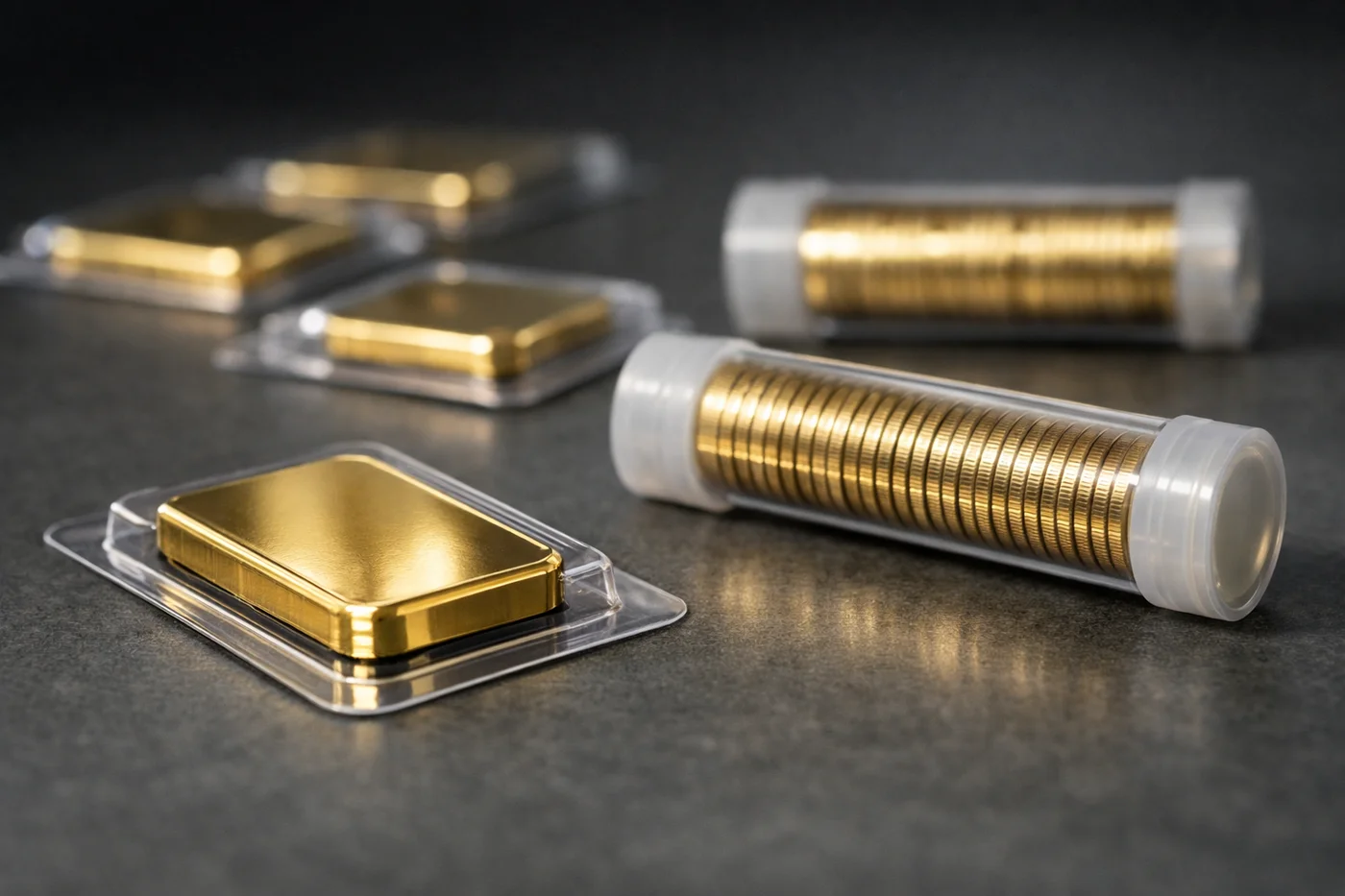
Bullion bars and standard coins
Match standard bullion with dealers that publish coin and bar buy prices. Take rare, proof or high-grade coins to buyers who understand their collector market.
The buyer with the highest advertised percentage may not produce the highest net payment. A bullion dealer can identify recognised bars and coins and quote against live gold and current stock demand.
Ask whether the dealer pays a product premium for Britannias, Sovereigns, sealed bars or quantity. Compare the published buyback method with the written quote for your items.
Collector and graded coins
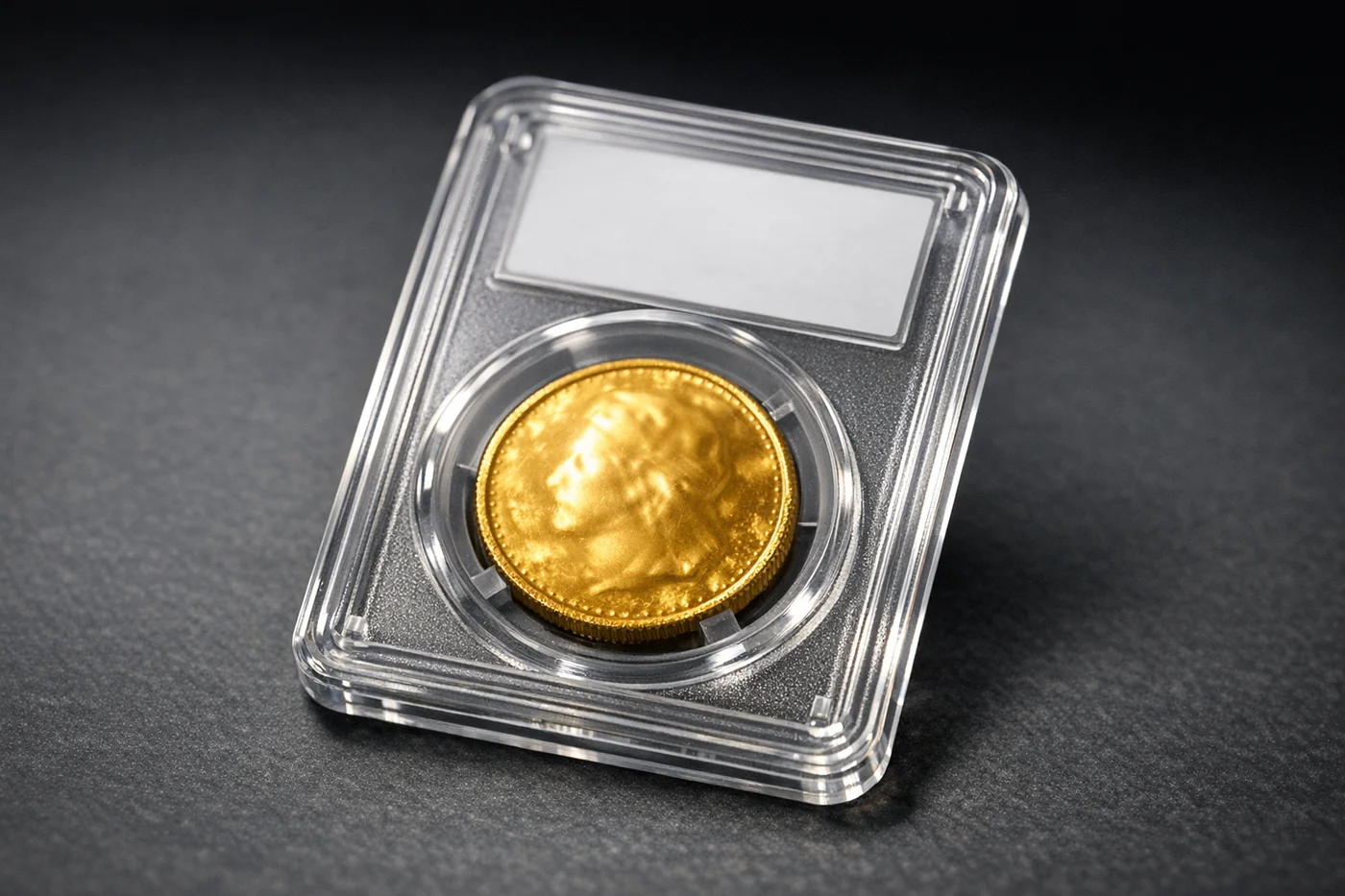
Rare, proof, unusual or professionally graded coins should be assessed by a dealer who understands the collector market. Don't assume that a coin's value is limited to its gold content.
A coin specialist can attribute date, mint, variety, proof status and grade before pricing, and these can all affect an offer. An auction can expose a scarce coin to collectors but adds fees, time and an uncertain result.
Jewellery and scrap
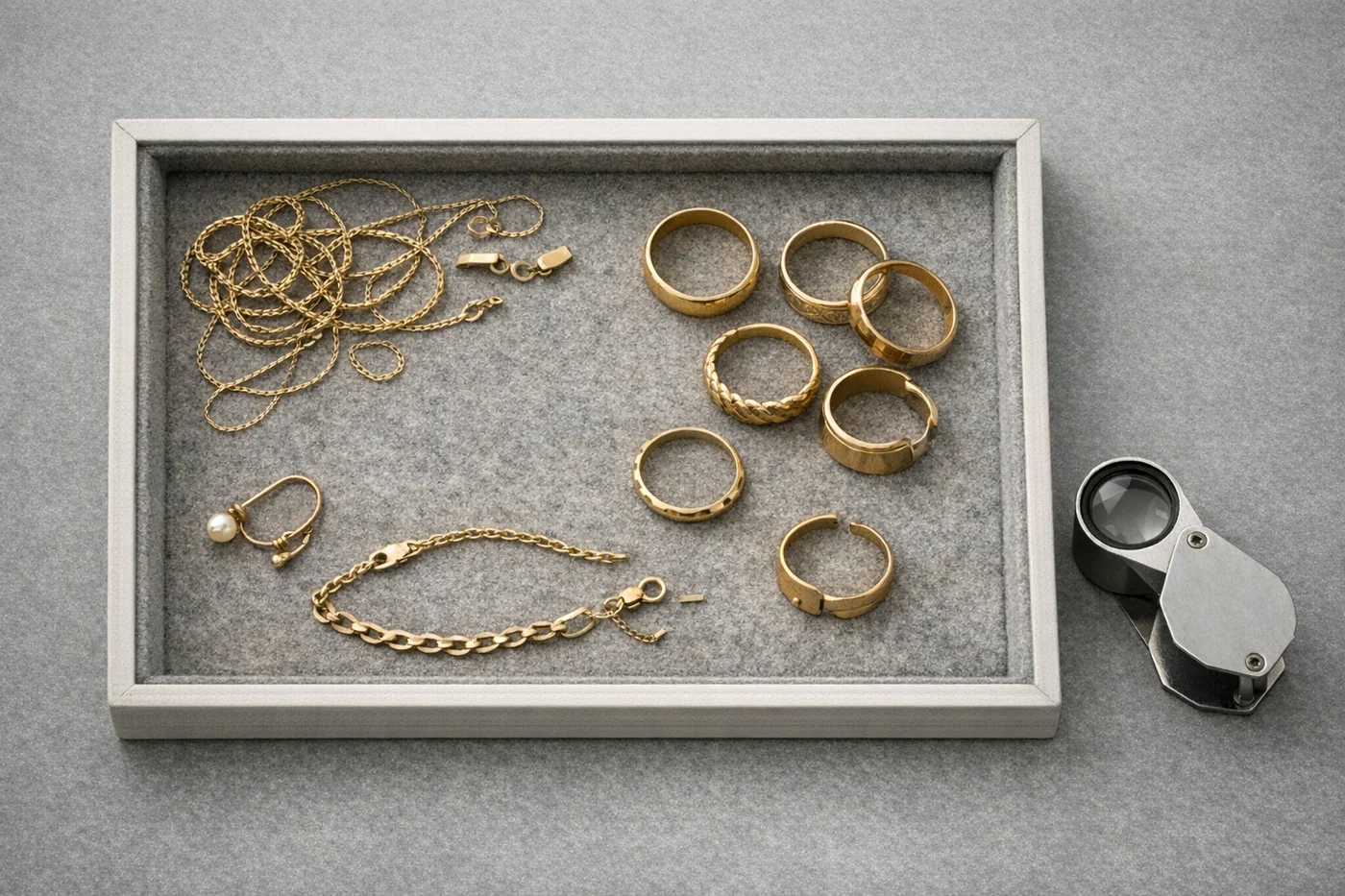
A jewellery buyer may offer for design, brand, stones or second-hand demand.

A scrap buyer focuses on recoverable metal after testing and non-gold deductions. Do not allow destructive testing or dismantling until the process and return terms are agreed.
Private sales and auctions
A private sale can avoid a dealer spread but transfers authentication, payment and safety risks to both parties. Do not meet an unknown buyer at home or disclose where other valuables are stored.
Consider whether the extra expected price justifies personal risk, delay and dispute exposure.
Check the buyer
Check the company's legal name, registration, trading address, website domain and contact details. Compare payment instructions with the verified entity and question a last-minute account change.
Walk away from pressure, secrecy, remote-access requests or promises that cannot be written down. A legitimate buyer may request photo identification, address evidence and ownership information.
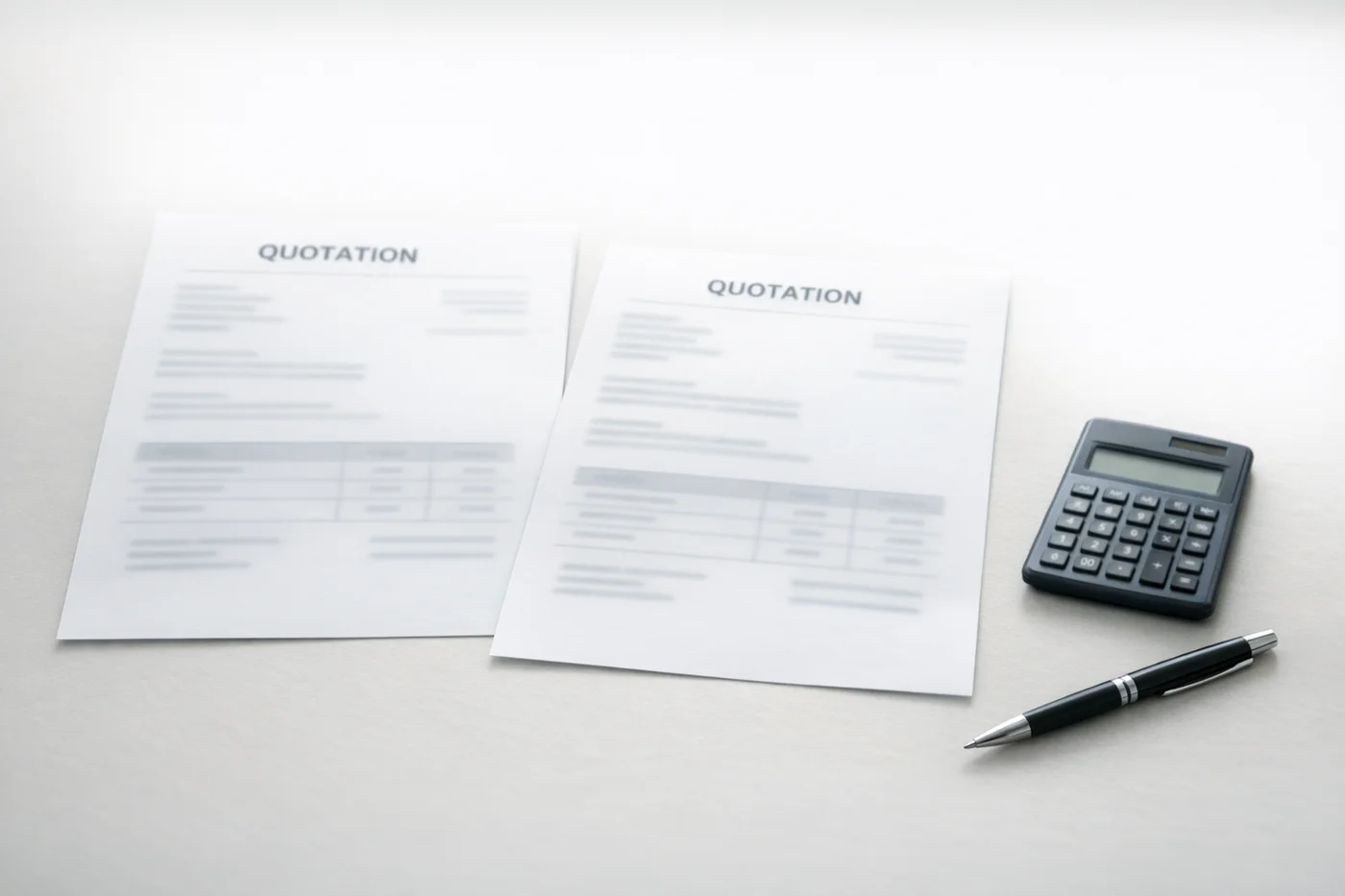
4. Compare written gold quotes
Give each buyer the same information:
- Item description
- Weight
- Fineness
- Photographs
- Condition
- Relevant certificates or grading information
- Packaging and provenance, where relevant
Ask for a written quote and study exactly what it includes. A buyer may quote:
- Pounds per gram
- A percentage of the spot price
- A fixed amount for each item
- A total cash offer
Convert the offers into the same format before comparing them.
Questions to ask about every quote
Check what the quote actually includes.
- What weight and purity have been used?
- What gold price or timestamp applies?
- Is the offer based on spot or another reference price?
- Are product premiums included?
- Are testing, processing or other deductions applied?
- Are postage or collection costs included?
- Can the price change after inspection?
- When is the price fixed?
- How and when will payment be made?
The highest headline price is not necessarily the highest net price.
5. Decide whether to sell by post or in person
Selling gold in the UK can be done by post or in person. Either approach can work, and deciding which is better depends on the buyer, the value and type of gold and the terms offered.
Selling gold by post
Before sending valuable items, confirm the following:
- Whether the buyer accepts gold by post
- The packaging requirements
- The delivery method
- Who arranges and pays for delivery
- The insurance limit
- What the insurance covers and excludes
- When responsibility for the item transfers
- What happens if the buyer's inspection changes the offer
- What happens if you reject the buyer's final offer
Take clear photographs of the items and their packaging before sending them. Keep the weight record, tracking number, proof of delivery and all correspondence until the sale is complete.
Don't assume that standard postal insurance covers precious metals. Check the carrier's current terms and the buyer's instructions before posting anything.
Selling gold in person
An in-person appointment lets you take your items directly to the buyer for assessment. Before attending, confirm what identification and documentation you need to bring and whether an appointment is required.
Ask how the items will be weighed, tested and valued. Review the offer before deciding whether to proceed. You should understand the price and any deductions before finalising the sale.
Get a direct valuation
Contact Bullion House for a direct valuation, by post or in person, when you are ready to sell your gold.
6. Confirm the price and selling terms
Gold prices can move between the time you request a quote and when your items are inspected. Find out when your price becomes fixed. The price can be fixed at booking, arrival, completion of testing or seller acceptance. A later fixing leaves the seller exposed to market movement while the buyer holds the gold. Keep the written price confirmation with its time, reference and item list.
Keep coins in capsules, bars in assay packaging and graded coins in their holders. Do not polish, clean, file or acid-test items before specialist review.
Remove personal documents from boxes unless they form necessary provenance.
Also confirm:
- The testing method
- Any deductions
- The final price calculation
- Payment method and timing
- Return arrangements if you reject the offer
- Who bears the risk while the gold is being transported or inspected
7. Have your gold inspected
The buyer may check the weight, fineness, authenticity, condition and other characteristics of your items before making or confirming a final offer.
An initial estimate is therefore not the same as the final price. If the offer changes after inspection, ask the buyer to explain:
- What was different from the original information
- How that difference affected the valuation
- What deductions or adjustments were made
- What final amount you will receive
You don't have to accept an offer because the buyer has inspected your gold. Make sure you understand the revised calculation before accepting.
8. Accept the offer and receive payment
Before completing the transaction, confirm:
- The final sale amount
- How and when you will be paid
- Account name and payment details
- Any fees or deductions
- The documentation you will receive
9. Important records to keep
Keep records of all transaction details, including:
- Original invoices
- Acquisition dates and prices
- Item descriptions
- Photographs
- Weights and fineness
- Certificates and assay cards
- Valuations
- Written quotes
- Testing results
- Fees and deductions
- Final sale statements
- Delivery and tracking records
- Payment confirmation
These documents may be relevant when establishing whether a tax liability arises.
10. Capital Gains Tax when selling gold
Selling gold in the UK doesn't automatically mean that you owe Capital Gains Tax (CGT). The tax treatment depends on the type of gold or other asset, how it is classified and your individual circumstances.
Certain UK sterling legal-tender coins, including qualifying Sovereigns and Britannias, have specific CGT treatment. Other gold coins, bars and jewellery may be treated differently.
HMRC's rules for personal possessions can apply to jewellery and non-sterling coins, with special rules where an individual possession is sold for more than £6,000. If you're unsure whether CGT applies to your gold, check the latest HMRC guidance or seek professional tax advice.

Avoid expensive selling mistakes
Three mistakes that cost sellers money
Each of these turns a fair sale into an avoidable loss.
- Do not mix a graded rarity into scrap or accept a weight-only offer for a signed jewellery piece.
- Do not compare quotes with different timestamps, fees or inspection assumptions.
- Do not release gold against a payment screenshot, verbal promise or unverified account change.
Start with How Much Can I Sell My Gold For? to build the valuation baseline, and read Certified and Graded Coins before selling an encapsulated coin.
Start selling gold
Send your item list, weights and photographs for a written net quote, or book an in-person valuation with the Bullion House team.
Frequently asked questions
Where should I sell gold in the UK?
Use a specialist bullion dealer for standard coins and bars, a coin specialist for collector pieces, and a jewellery or scrap buyer for the relevant items.
How do I compare gold buyers?
Give each buyer the same item list and request a written net quote stating weight, fineness, price basis, deductions, fees and payment time.
Do I need identification to sell gold?
A buyer may require photo ID, address evidence and ownership information for legal, fraud and payment controls.
Can I post gold to a buyer?
Yes, but only where the carrier's written terms cover the exact contents and value. Confirm custody, insurance, inspection and return terms first.
When is the gold price fixed?
Terms vary. The price may be fixed at booking, receipt, testing or acceptance. Confirm the timing and the adjustment process in writing before you hand anything over.
Next practical step
Sources and further reading
Rules and market terms can change. Check the dated sources below and take advice on tax, regulation or personal finances where your position calls for it. For the practical side of buying or selling physical gold, speak to the Bullion House team.
View 15 sources
- LBMA precious metal prices
- LBMA precious metal benchmarks
- Government hallmarking consumer guidance
- Hallmarking Act 1973
- Sheffield Assay Office hallmarking guide
- HMRC gold imports, investments and VAT notice
- HMRC investment-gold record rules
- HMRC high-value dealer guidance
- HMRC Capital Gains Tax overview
- HMRC Capital Gains Manual CG78305
- Taxation of Chargeable Gains Act section 21
- Scrap Metal Dealers Act guidance
- Government company information guidance
- FCA guidance on protecting yourself from scams
- Action Fraud fraud and cybercrime reporting
Related guides
Use these to check the next part of your decision.
- Article
How Much Can I Sell My Gold For? A UK Valuation Guide
Estimate a UK gold sale value from weight, fineness and current gold price, then account for product demand, condition, testing, dealer spread and fees.
Read guide - Guide
What Is a Sovereign Coin? History, Gold and Value
Understand the Gold Sovereign's history, exact formats, 22-carat specification, bullion and proof finishes, rarity, tax, authenticity and resale value.
Read guide